
Uneven Heat in Large or Older Homes: Why It Happens — and How Infrared Heating Can Help
Uneven indoor temperatures are among the most common—and frustrating—issues in homes using heat pumps, radiators, or underfloor heating. One floor feels comfortable while another remains cold. Some rooms overheat, while others never quite catch up. You adjust curves, pumps, and thermostats, yet the balance still feels off.
This problem appears especially often in:
-
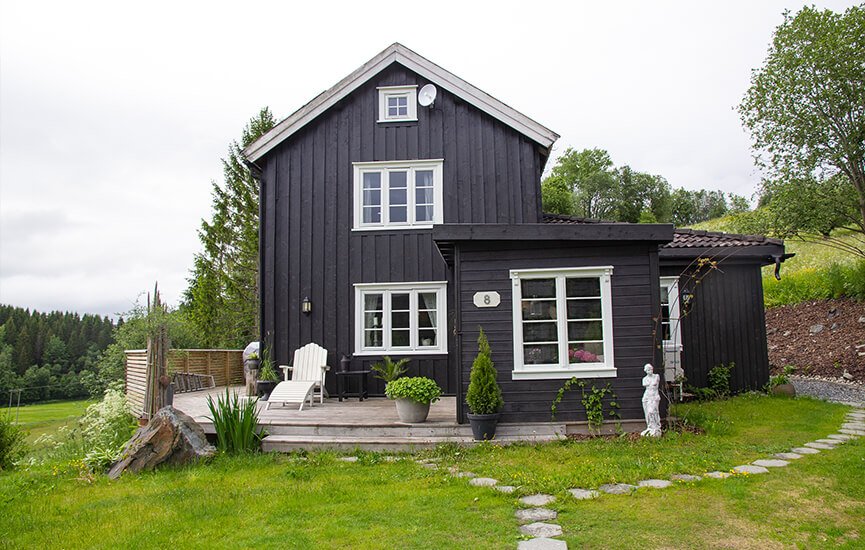
Older houses with multiple floors
-
Large villas (250–400+ sqm)
-
Homes with mixed systems (radiators, underfloor heating, and air heat pumps)
-
Properties where re-piping or major renovation isn’t desirable
On paper, the system may work “correctly,” but daily comfort and energy bills often tell a very different story.
So why does this happen—and how can infrared heating, such as SunWave, act as a practical and energy-efficient complement?
Why Heat Distribution Fails in Many Homes
Most conventional heating systems rely on moving heat through air or water:
-
Radiators heat air, which rises and circulates unpredictably
-
Underfloor heating works slowly and tends to favor lower floors
-
Air-to-air systems depend heavily on airflow and open layouts
-
Heat pumps rely on precise hydraulic balancing
In real homes—especially older ones—several challenges often overlap.
1. Heat Rises, Even When You Don’t Want It To
Warm air naturally moves upward. As a result, upper floors often overheat while ground floors lag behind, even when radiators downstairs feel hot.
2. Complex Pipe Layouts and Circulation Pumps
Multiple circulation pumps, long pipe runs, or outdated layouts can cause some radiators to “steal” heat while others are left starved, depending on pump settings and resistance.
3. Zoning Limitations
Many systems struggle to deliver heat exactly where it’s needed, when it’s needed. To warm a single cold room, the entire system often has to run harder.
4. Renovation Constraints
Rebalancing pipes, adding radiators, or rebuilding zones can be expensive, invasive, or simply impractical.
The result:
High energy use, inconsistent comfort, and constant manual adjustments.
The Missing Piece: How Infrared Heating Works Differently
Infrared heating operates on a fundamentally different principle from radiators or air-based systems.
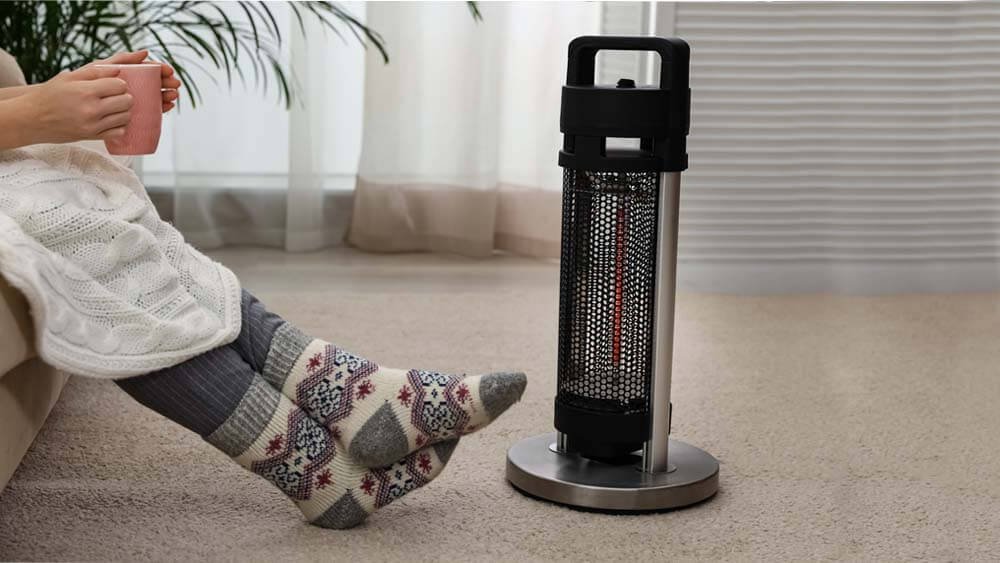
Instead of heating the air, infrared panels warm surfaces directly:
-
Walls
-
Floors
-
Furniture
-
People
This mirrors how the sun warms objects on a cold day—even when the surrounding air remains cool.
What This Changes
-
Heat doesn’t rise away from you
-
Comfort is felt faster
-
Drafts and airflow matter far less
-
Each room can be treated individually
This makes infrared heating uniquely effective as a targeted complement in homes where traditional systems struggle to maintain balance.
How SunWave Infrared Heating Complements Existing Systems
SunWave panels are not designed to replace heat pumps or central heating systems overnight. Their strength lies in addressing the specific shortcomings those systems can’t easily solve.
1. Fixing Cold Rooms Without Rebuilding the System
Rather than increasing the flow temperature for the entire house, SunWave panels can be installed only in:
-
Cold corners
-
Ground-floor rooms
-
North-facing spaces
-
Rooms far from the heat source
This restores comfort locally without forcing the whole system to work harder.
2. Reducing Load on Heat Pumps and Radiators
When certain rooms are supported by infrared heating, the main system no longer needs to:
-
Run at higher temperatures
-
Rely on electric backup heating
-
Overcompensate for problem zones
In many cases, this leads to lower overall energy consumption—not higher.
3. Improved Comfort at Lower Air Temperatures
Because infrared warms surfaces and occupants directly, many users feel comfortable at air temperatures that are 1–2°C lower.
Over an entire heating season, that difference alone can translate into meaningful energy savings.
4. Ideal for Older or Mixed-Technology Homes
SunWave performs especially well in:
-
Older houses with thick walls
-
Homes combining radiators and underfloor heating
-
Buildings with limited airflow
-
Properties where piping changes aren’t an option
No pipe modifications. No water. No balancing valves—just targeted heat where it’s actually needed.
Energy Efficiency and Operating Costs
A common concern is whether adding electric heating increases overall costs.
In practice, SunWave panels:
-
Consume energy only where they are installed
-
Are typically used intermittently, not continuously
-
Replace inefficient overheating elsewhere in the system
Thanks to SunWave’s advanced infrared technology based on nanomaterials, panels can reduce energy use by up to 80% compared to traditional electric heating and effectively complement even A+++ systems (COP ~3.5) when used strategically.
They are also:
-
Maintenance-free
-
Silent
-
Long-lasting
-
Easy to install
Where SunWave Makes the Most Sense (Real-World Use)
SunWave panels are most often used in homes where traditional heating systems struggle to deliver even comfort—not due to insufficient capacity, but because heat fails to reach the right places.
Typical use cases include:
-
Balancing temperature differences between floors
-
Supporting heat pumps during peak electricity pricing
-
Adding comfort to rooms with poor circulation or cold spots
-
Reducing reliance on electric backup heating
-
Improving comfort without major renovations or re-piping
These scenarios often overlap: a room that never reaches its target temperature, a lower floor that feels cold while the upper floor overheats, or a system that must run harder than necessary just to compensate.
In many homes, the result of adding targeted infrared heating isn’t merely warmer rooms—it’s a calmer, more balanced system that operates more efficiently overall.
SunWave infrared heating makes the most sense if:
-
Your home has uneven heat distribution
-
Certain rooms consistently lag in comfort
-
Upper and lower floors behave very differently
-
You want improved comfort without rebuilding the system
-
You want a flexible, room-by-room solution
It’s not about replacing what already works—it’s about fixing what doesn’t.
Final Thoughts: Balance Beats Brute Force
Most heating problems aren’t caused by a lack of power. They’re caused by misplaced heat.
Rather than forcing an entire system to work harder, a smarter approach is to support it locally—exactly where comfort breaks down.
That’s where SunWave infrared heating fits best:
as a precise, efficient complement that restores balance, comfort, and control.
Explore Our Latest Insights
Discover tips and trends in eco-friendly IR Heating Panels.