
The Hidden Costs of Cheap Infrared Heaters: Why Going Beyond Bauhaus, Jula, and Biltema Pays Off
Introduction: The rise of infrared heating in Scandinavia
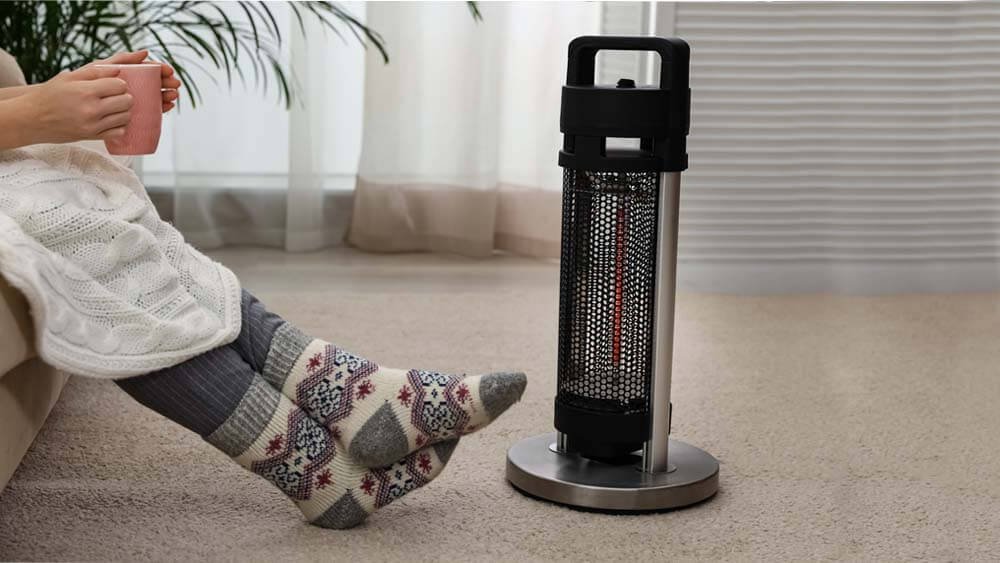
As energy prices rise across Scandinavia, more homeowners are searching for smarter, more efficient heating solutions. A quick look at Google search trends shows a surge in terms like infrared heater Bauhaus, infrared heater Jula, and infrared heater Biltema.
It’s no surprise: these retailers offer affordable entry-level infrared heaters that seem like a quick fix for cold patios, conservatories, and even indoor spaces. But when it comes to heating technology, the cheapest option often hides significant costs — from higher electricity bills to shorter lifespans and weaker performance.
In this article, we’ll explore the hidden costs of cheap infrared heaters, why many “best in test” lists don’t tell the full story, and how advanced solutions like SunWave Sweden’s patented infrared technology deliver long-term savings and comfort.
Why cheap infrared heaters attract buyers
Retail chains like Bauhaus, Jula, and Biltema are household names in Scandinavia. Their heaters are popular because they are:
-
Affordable upfront: Many models cost under €100–200.
-
Easily accessible: Available in-store or online for fast purchase.
-
Simple to install: Plug-and-play with little technical knowledge required.
For occasional use — like warming up a balcony for an evening — these heaters can work. But if you’re considering infrared as part of your new heating solution, it’s important to look beyond the price tag.
The hidden costs of entry-level infrared heaters
-
Higher energy consumption
-
Most retail heaters are basic resistive units. They convert electricity into heat with a COP (Coefficient of Performance) of 1.
-
This means 1 kWh of electricity = 1 kWh of heat. Compare that to advanced infrared panels, which optimize radiation efficiency and require much less input to deliver the same comfort.
-
-
Limited coverage
-
Cheap heaters often provide warmth to a small, direct area only. Step outside the beam, and the cold quickly returns.
-
This creates uneven heating and frustration, especially in larger rooms or conservatories.
-
-
Shorter lifespan
-
Budget heaters typically last a few seasons at most. Components wear down quickly, leading to frequent replacements.
-
Over 10–15 years, this cycle of replacement often costs far more than investing in a high-quality solution.
-
-
Aesthetic compromise
-
Many models are bulky, industrial-looking, and not designed to blend with modern interiors. For stylish homes, they can feel out of place.
-
-
Lack of certification and testing
-
Some cheap heaters don’t meet rigorous international efficiency or safety standards.
-
“Best in test” lists often prioritize price and initial heat output, but skip deeper evaluations of durability, emissions, or long-term cost efficiency.
-
The performance gap: Retail heaters vs. advanced infrared panels
So how do SunWave Sweden’s infrared panels compare?
-
Patented nanotechnology: A unique molecular paste boosts radiation efficiency, meaning less electricity is needed for the same warmth.
-
Independent testing: Certified by institutions like BSRIA UK, showing up to 80% lower energy consumption compared to A+++ systems.
-
Even comfort: Panels heat walls, floors, and furniture, creating consistent warmth throughout the room.
-
Longevity: Built to last decades with minimal maintenance.
-
Design integration: Slim, decorative, and customizable to match interiors.
This performance gap is why SunWave panels are not just heaters — they’re a new heating solution that competes with (and often surpasses) alternatives like heat pumps and district heating.
Why “best infrared heater test” results can be misleading
Many consumers rely on best infrared heater test rankings when deciding what to buy. While helpful, these tests often:
-
Focus on short-term use, like warming a patio for a few hours.
-
Compare only low- to mid-range retail heaters.
-
Measure initial heat output, not efficiency over time.
-
Rarely evaluate long-term electricity consumption or environmental impact.
The result? A heater that looks like a winner in a quick test may cost far more in electricity bills and replacements over the years.
The family factor: Heating with children in mind
For families, heating isn’t just about cost — it’s about health and safety. Cheap heaters can:
-
Become dangerously hot to the touch.
-
Dry out the air and circulate dust or allergens.
-
Provide inconsistent warmth, leaving floors and play areas cold.
Advanced infrared panels, on the other hand:
-
Stay safe to touch with controlled surface temperatures.
-
Do not circulate air or dust.
-
Provide gentle, consistent warmth that feels natural — like sunshine.
For parents searching for heating for children, investing in a safer, healthier system pays off.
When cheap becomes expensive
Let’s break it down with an example:
-
A €150 retail heater from Bauhaus might last 2–3 years, with an annual electricity bill of €500–800 depending on usage. Over 10 years, that’s easily €5,000–7,000 in costs.
-
A SunWave infrared panel costs more upfront but slashes consumption by up to 80%, lasts decades, and provides superior comfort and design. Over the same 10 years, the savings can be thousands of euros.
This is the hidden cost equation: what looks cheap today may be the most expensive option tomorrow.
Conclusion: Think long-term when choosing new heating
Infrared heating is one of the most exciting advances in modern comfort. But not all heaters are created equal.
Retail options from Bauhaus, Jula, and Biltema may be suitable for occasional outdoor use, but for families investing in a new heating system, advanced solutions like SunWave Sweden’s patented panels offer unmatched efficiency, design, and long-term savings.
So before trusting the next best infrared heater test, ask yourself: Do I want a short-term fix — or a future-proof heating system that keeps my home warm, safe, and sustainable for decades?
👉 Learn more about how our infrared technology works: The Science Behind SunWave Infrared Heating Panels
Explore Our Latest Insights
Discover tips and trends in eco-friendly IR Heating Panels.